WordCamp World is a fictional conference built from very real community rituals: finding your room, meeting your people, sharing what you know, and discovering that the hallway track might be the most important session of all.
You choose the character. Their curiosity—and every decision after registration—belongs to you.
PLAYER ONE
Mateo Fields
Mateo is a plugin tinkerer from a small local meetup, carrying a side project that has outgrown his laptop. This is his first flagship WordCamp. He came for practical answers, but what he really needs is the confidence—and the collaborators—to turn a clever idea into something the community can use.
LOOKING FOR: A useful conversation and the keynote room
PLAYER TWO
Priya Post
Priya is a designer, content strategist, and meetup co-organizer who believes the best technology starts by listening. She is here for accessible-design ideas, Contributor Day, and the friends she only sees between sessions. Her empty sticker book will not stay empty for long.
LOOKING FOR: Better questions, new stories, and excellent stickers
THE HALLWAY TRACK
A venue full of people worth meeting
Ten attendees, volunteers, and organizers roam the venue. Some have microphones. Some have radios. Each has a story that can change your route.
Registration volunteer & community connector
Taco
Taco is a Dutch WordPress community regular who knows that a warm welcome starts with a clear map, a good coffee tip, and someone ready to point you toward the next conversation.
Organizer
Rin
Rin has three schedules open, two radios buzzing, and still notices when a new contributor needs a welcoming task.
Collaboration seeker
Alex
Alex arrived for the talks, then found the better part of the event in the conversations that turn strangers into collaborators.
Speaker & accessibility advocate
Noor
Noor came to turn accessibility from a checklist into a design instinct—and brought enough notes to improve every hallway conversation.
Community connector
Emeka
Someone made Emeka’s first WordCamp feel like home. Now he returns the favor, one introduction and one terrible cache joke at a time.
Polyglot contributor
Hana
Hana knows that contribution includes language, design, documentation, support, and the courage to ask where help is needed.
Platform-minded attendee
Dara
Dara spots a side quest in every sponsor hall and has a knack for turning a good idea into something other people can use.
Schedule curator
Elliot
Elliot makes room for both the talks he planned and the serendipitous conversation that could change his entire day.
AV ally
Tess
Tess keeps an eye on the keynote, the cables, and the practical little fixes that keep a WordCamp moving.
Developer advocate & code streamer
Welcher
Welcher turns live-coding sessions into useful WordPress experiments. If the build gets weird, he grins, asks “What the Deuce?”, and works the fix in public on Twitch and YouTube.
TRY THE DEMO. KEEP THE STORY.
Sponsors are part of the adventure
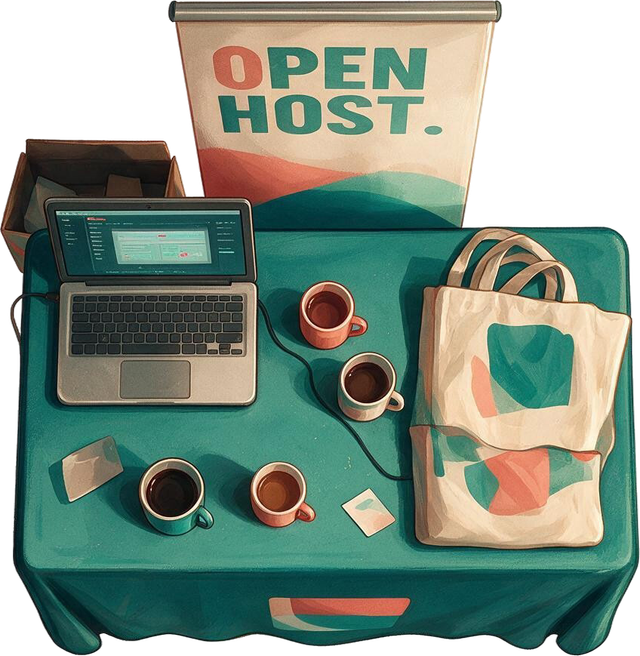
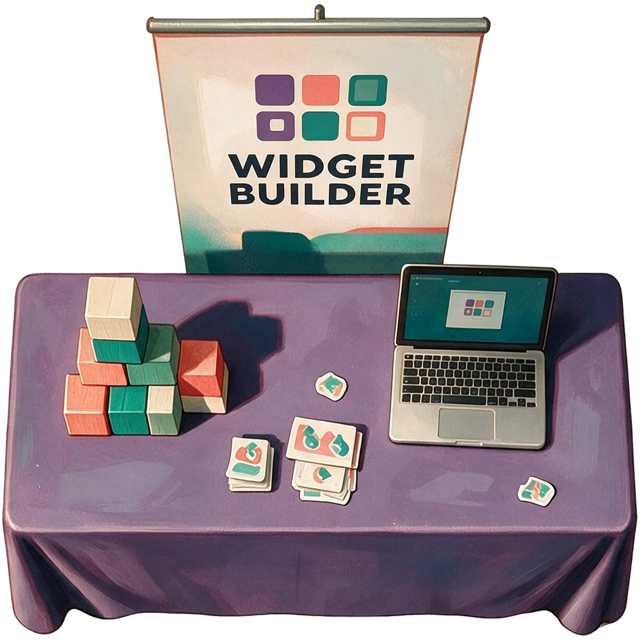
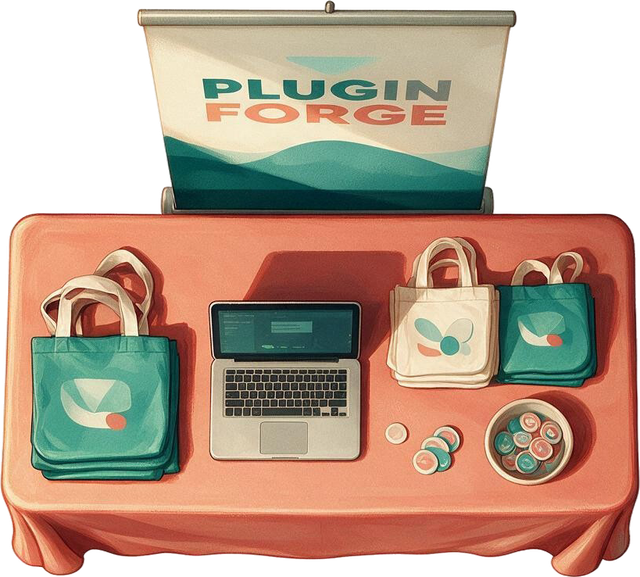
Open Host, Widget Builder, and Plugin Forge are fictional booths staffed by real conference energy: generous experts, working demos, emergency snacks, and swag that somehow becomes a quest.
Open Host
Clear the cache, claim an imaginary cookie, and learn what staging remembers.
Widget Builder
Assemble an accessible widget grid and leave with one more idea than you arrived with.
Plugin Forge
Press a sticker. Ask a hard plugin question. No pitch required.
THE STICKER BOOK
Trade tiny pieces of conference history
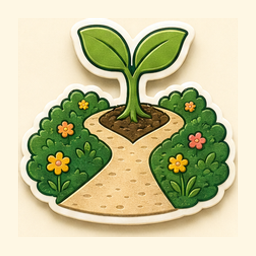
Sticker tables offer surprise picks from a collection of designs inspired by code, accessibility, community teams, adapters, gardens, and the sacred art of shipping together. Duplicates stay behind for the next person. Every collected design lands in your persistent journal album.
Ask me about my side projectFork this gardenFocus visibleHowdy, everyone!Volunteer magicShip it together
THE SPONSOR SWAG HUNT
11 sponsors. 11 treasures.
Each current The WP World sponsor has one collectible hidden somewhere around WordCamp World. Your journal shows every sponsor from the start—but the artwork only appears after you find the item.
Built for Service
Service Badge
A sturdy badge for people who make helpful work feel effortless.
OSTraining
Pocket Training Handbook
A tiny field guide with room for one more useful note.
Yoast
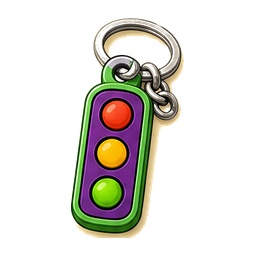
SEO Signal Keychain
Three cheerful signals for keeping a good idea discoverable.
Elementor
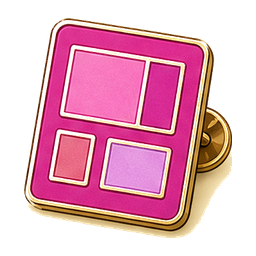
Layout Grid Pin
A bright little reminder that every good layout starts with a plan.
Mindsize
Code-Brain Stress Ball
For thinking through the problem without squeezing the people.
GoDaddy
Community Knit Beanie
Warm, green, and ready for an unexpectedly chilly session room.
Search & Filter
Search & Filter Pin
A magnifier and funnel for finding exactly the right conversation.
ManageWP
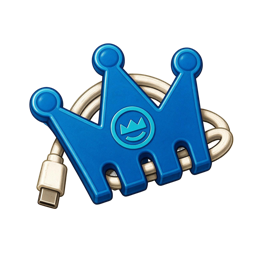
Crown Cable Organizer
A royal solution to the cable knot at the bottom of every tote.
Sucuri
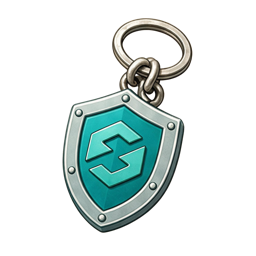
Security Shield Keychain
A pocket-sized shield for keeping curious code on the safe side.
Pagely
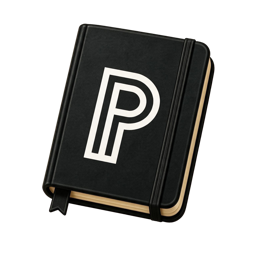
Pagely Field Notebook
A black notebook for ambitious architecture and excellent doodles.
Novamira
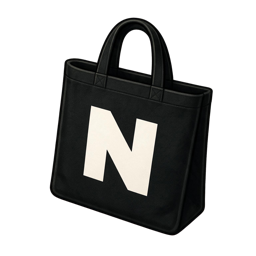
Horizon Canvas Tote
A roomy tote for everything collected on the way to what comes next.
PACK LIGHT. LOOK CLOSELY.
Useful things find useful people
WordCamp World has no XP grind. The right item, used in the right place, opens a new possibility.
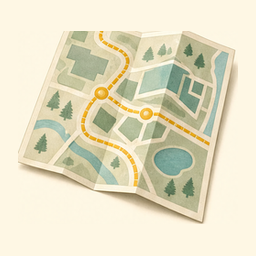
Venue Map
A first-day lifeline that turns a maze of rooms into possible routes.
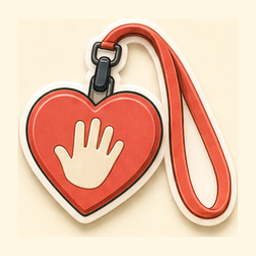
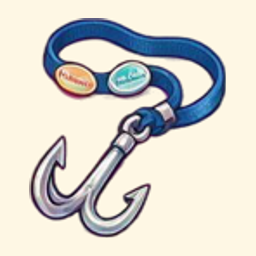
NFC Lanyard Grapple
A delightfully over-engineered badge accessory for reaching places a normal lanyard cannot.
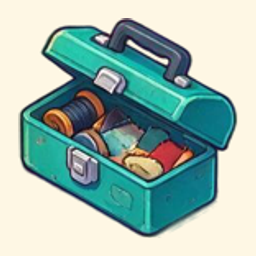
Community Patch Kit
Part repair kit, part reminder that the community improves things together.
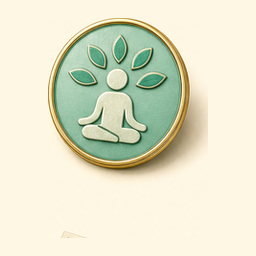
Quiet Zone Pin
A small signal that rest, calm, and lower-volume connection belong at the event too.
CHIEF HUG OFFICER
Wapuu has a mission for you
At Registration Plaza, a life-size Wapuu offers a soft high-five and an extremely serious passport safari. Explore the world and earn four stamps:
☕ Coffee
🍽 Lunch
✦ Stickers
♥ Helping
Bring all four back to Wapuu. There may be a victory wiggle. There will definitely be a very good hug.
WordCamp World started with a simple question: what if the feeling of arriving at a great WordCamp could be explored, not just described? The answer became a playable world about finding your room, meeting people, helping out, and noticing the small things that make an event feel welcoming.
The first playable world grew through rapid prototyping, then dozens of public releases and smaller local checkpoints. Marcus supplied the direction, playtesting, and wonderfully specific screenshots; the coding assistant turned that feedback into changes to rules, interface, and art integration. Every pass was a chance to make movement clearer, rooms more inviting, and the story more recognizably WordCamp.
01 / THE PLAY
Canvas-first exploration
The world is a hand-built 2D canvas game: tile movement, room transitions, helpful items, collectibles, and gentle surprises all run in the browser.
02 / THE STACK
Modern web, small footprint
TypeScript and React shape the interface; Vinext and Vite build it; Cloudflare Workers delivers it; The WP World connects accounts and the leaderboard.
03 / THE ART
Made to feel alive
Game-specific scenes, sprite sheets, collectibles, and playful details were created and refined with Magnific, then carefully integrated into the world.
04 / THE ITERATION
Test, listen, adjust
The best parts arrived through revision: clearer paths, open doorways, better touch guidance, saved progress, accessible choices, and lots of visual polish.
THE TECHNICAL TOUR
What is actually happening while you play
The short version is that the interface, game simulation, art, saves, and verified scoring are separate jobs that coordinate in the browser and at the edge.
RENDER LOOP
Canvas for the venue, React for the world around it
The rooms themselves are drawn into a 2D canvas on every animation frame. React runs the surrounding interface: the HUD, journal, maps, onboarding, dialogs, settings, account badge, and leaderboard. That split keeps the game tactile without making the rest of the page feel like a screenshot.
GAME STATE
A small, versioned state machine
Position, inventory, rooms visited, completed conversations, points, energy, timed encounters, and challenge progress live in one versioned game state. Each intentional move resolves into a small, inspectable state change, so an item or door can change the world in a predictable, testable way.
INPUT & ACCESSIBILITY
One world, more than one way in
The game detects touch-capable layouts and switches the onboarding and controls accordingly. Keyboard, gamepad, and touch players get equivalent routes through the world, while focus handling, reduced motion, high contrast, and readable contextual labels keep the experience approachable.
ART PIPELINE
Preload, atlas, animate
Room plates, furniture, people, player walk cycles, bosses, items, and sponsor swag load in parallel before play. Sprite sheets are sliced into frame cells at runtime, which lets the same artwork support movement, direction, gentle animation, and responsive scaling without a heavyweight game engine.
SAVES & RECOVERY
Your device keeps the working copy
Guest progress is stored locally on the device, with a last-valid backup alongside it. Saves and imports are checked and normalized before use, so a malformed or older file cannot simply overwrite the current world with arbitrary data. Players can also export their own portable backup.
RANKED PLAY
Scores are replayed, not trusted
For signed-in players, the game records legal actions—not a browser-supplied score. The service replays that action stream against the current rules, calculates the verified result, and only then updates the associated The WP World profile and top-ten leaderboard.
DEPLOYMENT
A fast edge-delivered web game
TypeScript and React are compiled through Vinext and Vite, then served from Cloudflare Workers. The browser receives the game shell and static art quickly, while account-sensitive requests take a server-side route that keeps credentials out of the page.
QUALITY PASSES
Every small change gets checked
Automated checks cover critical play paths, ranked-run replay, saves, secrets, sponsor swag, responsive Story content, and art assumptions. Then the experience gets reviewed in a real browser—because a passing test cannot tell you if a doorway still looks blocked.
Created together as an experiment in what happens when community rituals become a game. Thanks for playing the in-between moments.